
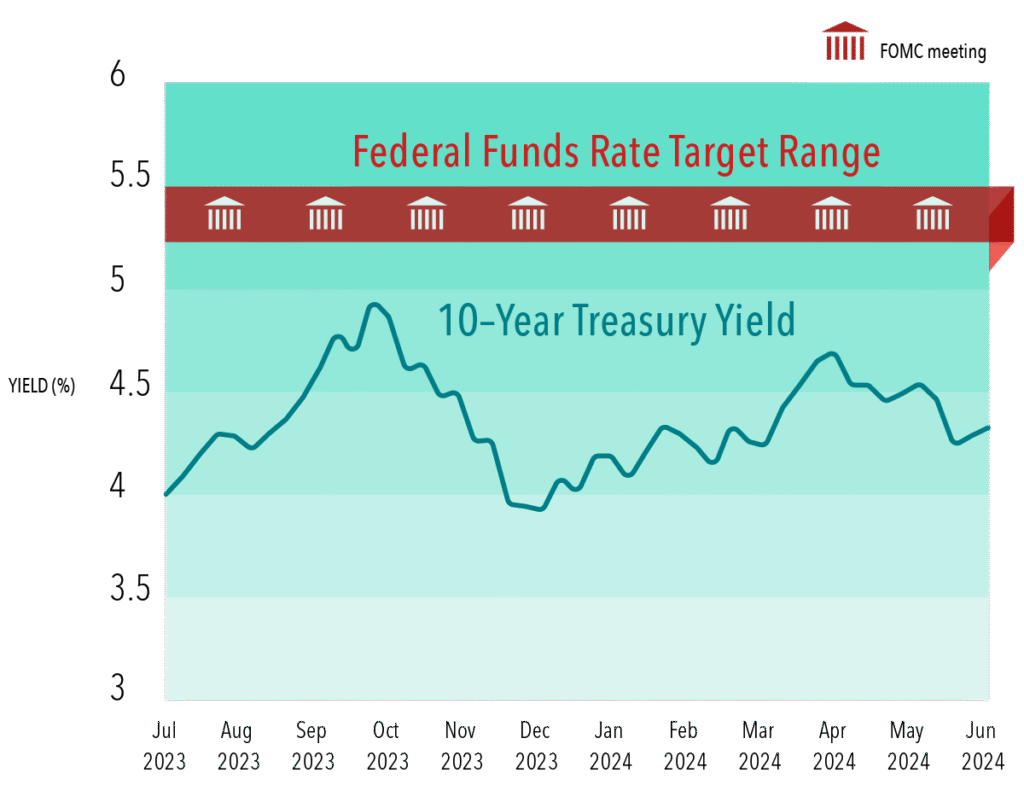
Today the Federal Reserve (The Fed) raised interest rates. Over the past few years they have been very slowly lowering the rate, this is the first rate hike in three years. That’s good news for our savings, but bad news for those who need to borrow money.
What exactly is interest?
The interest rate is the amount charged by a lender to borrow money from them. This includes credit cards, student loans, mortgages, personal loans, and business loans. The rate you are charged is based on a few factors such as the length of the loan, your credit score, and the type of loan.
Today, The Fed raised rates by .25%. It doesn’t sound high, but it does bring the benchmark up to 3.75% – 4%.
The Fed uses interest rates to help control inflation. Right now, inflation is high, to try and mitigate that they raise the cost of borrowing.
Why does this affect us as consumers?
Lenders and banks need to be competitive with each other so they use the benchmark rate set by The Federal Reserve to do so. When The Fed raises or lowers interest rates banks and lenders then act accordingly.
Bad news: It’ll be more expensive to borrow money
This isn’t the end of the world. But, for people who are currently in the market for a house or have credit card debt your interest rate is a little higher. If you have a variable interest rate loan, your monthly payment may change.
Good news: You will earn a little more on saving
Again, banks want to stay competitive. When they are charging more for borrowing money, they can also pay more to keep your money with them. Usually when interest rates go up banks will increase the interest you earn in your savings account during the next billing cycle. Another advantage, if you haven’t closed on your house but have a rate locked in you are safe.
As for your investments, bonds and interest rates have an inverse relationship. Meaning when interest rates increase bond values go down. But, in general the overall markets don’t move too much when rate changes are announced.
“One of the reasons why Fed watching is an unreliable input into investment decisions is because the Fed’s expected actions are already reflected in market prices. By the time the Fed executes rate changes, markets have already had time to form an expectation and may not need to react any further.” (Don’t Get Fed Up, Dimensional Advisors)
So, what should you do?
- If you have credit card debt, create a plan to pay that down. Carrying that debt will only get more expensive with high interest rates.
- Check your variable rate loans. Make sure those monthly payments won’t go up. If they do, work that number into your budget.
- Rate hikes are also a good time to make sure you are earning the highest interest rate on your cash. Look into High Yield savings accounts (Marcus, Betterment, Ally) and see if any are offering more than your current savings account.
There may be another rate hike this year, there are still two more Fed meetings before the close of 2026. Rate hikes aren’t inherently a bad thing, and if you are saving they’re actually a nice boost. The most important thing is to understand why they happen and how they affect your finances.